
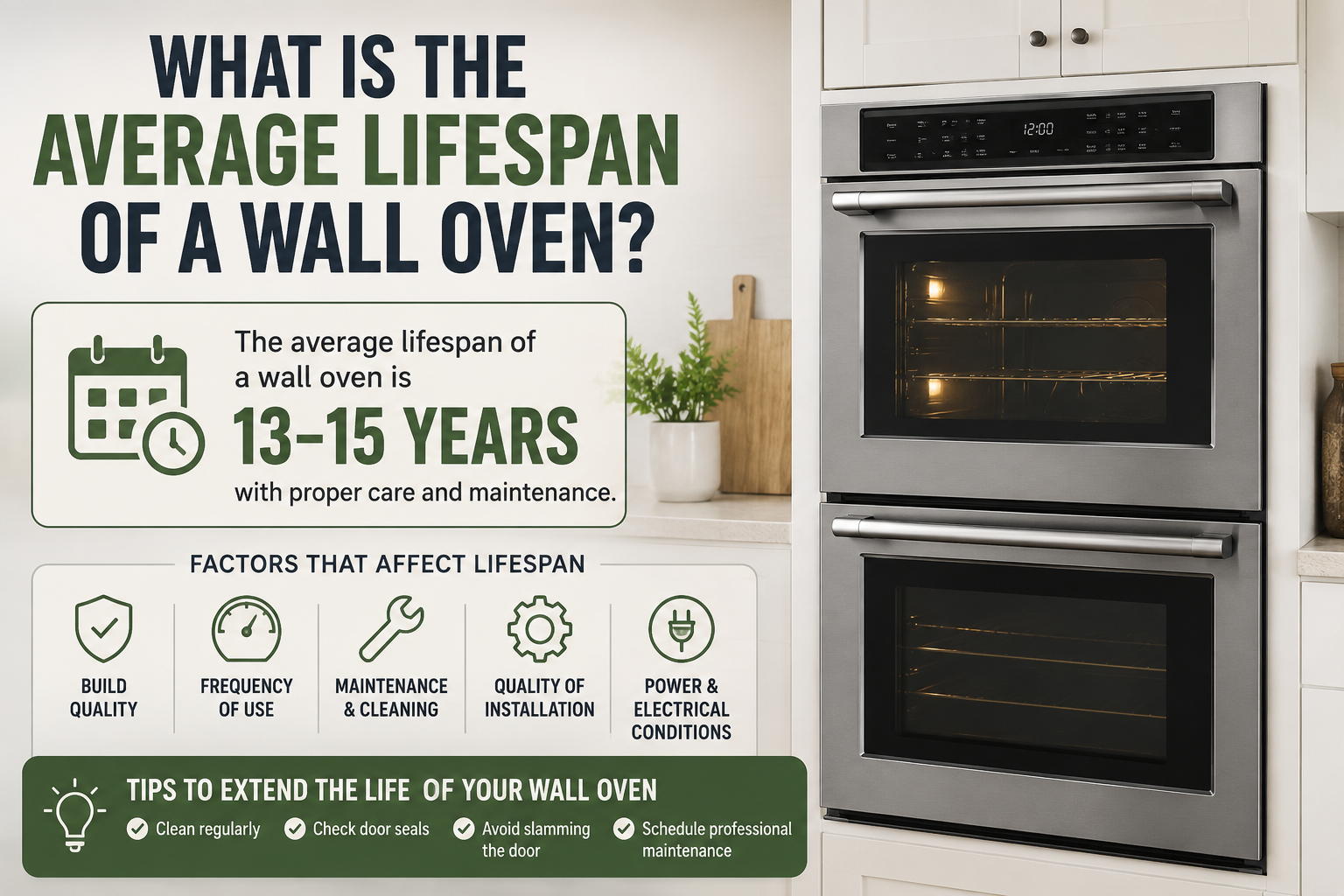
What Is the Average Lifespan of a Wall Oven?
A wall oven is one of the most important appliances in any kitchen, providing reliable cooking performance for daily meals, baking, and entertaining. Whether you already own a wall oven or are considering purchasing one, understanding its expected lifespan can help you plan for maintenance, repairs, and eventual replacement.
In this guide, we’ll explore the average lifespan of a wall oven, factors that affect its longevity, signs it may be time for a replacement, and tips to help your appliance last as long as possible.
Average Lifespan of a Wall Oven
On average, a oven lasts between 13 and 15 years with proper care and maintenance. Some high-quality models can remain functional for 20 years or more, while others may require replacement sooner depending on usage patterns and maintenance practices.
The lifespan can vary based on several factors, including:
- Brand and build quality
- Frequency of use
- Installation quality
- Maintenance habits
- Type of oven (electric or gas)
- Environmental conditions
Homeowners who regularly maintain their wall ovens often enjoy many years of dependable performance.
Electric vs. Gas Wall Oven Lifespan
Electric Wall Ovens
Electric walls ovens typically last around 13 to 15 years. They are popular because of their consistent heating, easy operation, and relatively simple maintenance requirements.
Gas Wall Ovens
Gas walls ovens generally have a similar lifespan of 15 years or more when properly maintained. However, gas models may require occasional servicing of burners, igniters, and gas connections to maintain efficiency and safety.
Both types can provide long-term value when cared for correctly.
Factors That Affect Wall Oven Longevity
Frequency of Use
An oven used several times per day will naturally experience more wear and tear than one used only occasionally. Heavy use places additional stress on heating elements, thermostats, and internal components.
Maintenance and Cleaning
Regular cleaning prevents grease, food debris, and spills from accumulating inside the oven. Excessive buildup can affect performance and potentially damage heating components over time.
Quality of Installation
Professional installation ensures proper ventilation, electrical connections, and safe operation. Improper installation can lead to overheating, electrical issues, or reduced appliance lifespan.
Build Quality
Premium walls ovens often feature higher-quality materials and components designed for long-term durability. While they may cost more upfront, they frequently provide better longevity and reliability.
Power Surges and Electrical Issues
Electrical fluctuations can damage control boards and electronic components in modern wall ovens. Using surge protection where appropriate may help reduce the risk of costly repairs.
Common Signs Your Wall Oven Is Aging
Even a well-maintained wall oven will eventually show signs of wear. Watch for these indicators that your appliance may be nearing the end of its lifespan:
Uneven Cooking Results
If foods are consistently undercooked, overcooked, or cooking unevenly despite proper settings, the heating system or temperature sensors may be deteriorating.
Longer Preheating Times
An aging oven may take significantly longer to reach the desired temperature, reducing efficiency and convenience.
Frequent Repairs
If repair bills are becoming more common, replacing the oven may be more cost-effective than continuing to fix aging components.
Temperature Inaccuracy
Inconsistent temperatures can affect baking and cooking performance, often signaling issues with thermostats or heating elements.
Visible Damage
Cracked door glass, rust, damaged seals, or malfunctioning controls may indicate that the appliance is reaching the end of its useful life.
How to Extend the Life of Your Wall Oven
Proper maintenance can significantly increase your oven’s lifespan and help avoid expensive repairs.
Clean Regularly
Remove food spills and grease buildup as soon as possible. Use cleaning products recommended by the manufacturer to prevent damage to interior surfaces.
Inspect Door Seals
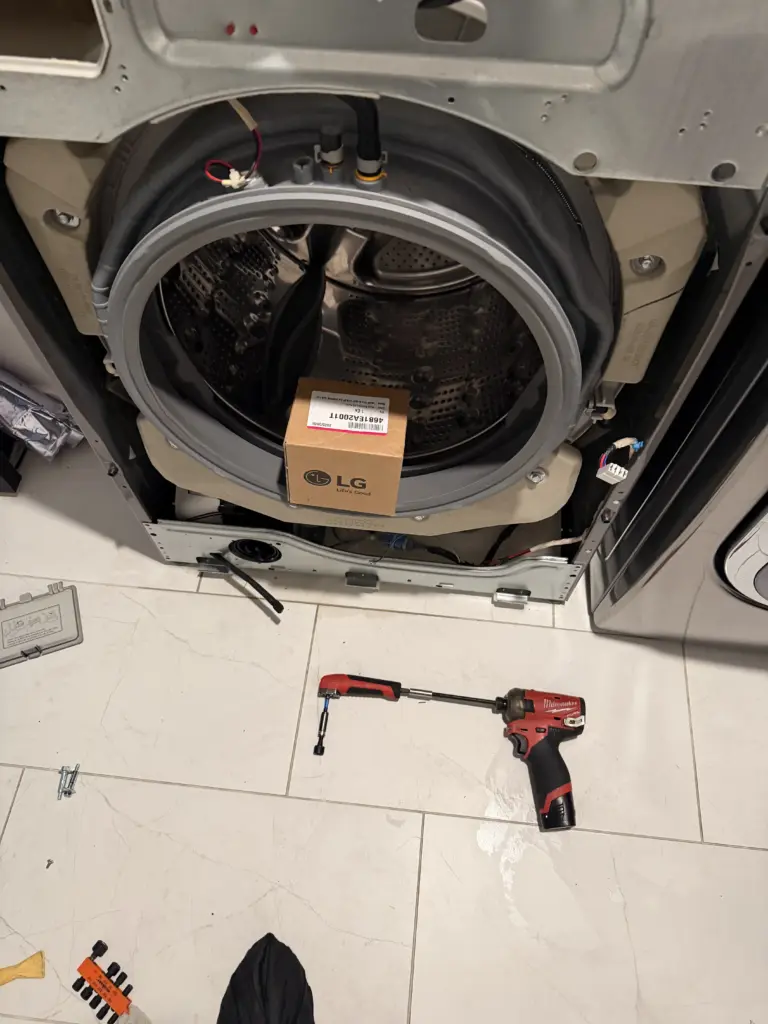
The oven door gasket helps maintain proper temperature. Replace worn or damaged seals to improve efficiency and reduce strain on heating components.
Avoid Slamming the Door
Repeatedly slamming the oven door can damage hinges, seals, and glass panels over time.
Use Self-Cleaning Features Carefully
While self-cleaning functions are convenient, excessive use can expose components to extremely high temperatures. Follow manufacturer recommendations for safe operation.
Schedule Professional Maintenance
Periodic inspections can identify small problems before they become major repairs. Professional servicing may help extend appliance life and maintain optimal performance.
Repair or Replace How to Decide
When a wall oven begins experiencing problems, homeowners often wonder whether repair or replacement is the better option.
Consider replacing your wall oven if:
- It is more than 13–15 years old.
- Repairs are becoming frequent.
- Replacement parts are difficult to find.
- Energy efficiency has declined significantly.
- Repair costs exceed 50% of the price of a new oven.
However, if the appliance is relatively new and the repair is minor, fixing the issue may be the more economical choice.
Benefits of Replacing an Old Wall Oven
Modern wall ovens offer several advantages compared to older models:
Improved Energy Efficiency
Newer ovens consume less energy while delivering consistent cooking performance.
Advanced Cooking Features
Many modern models include convection cooking, smart controls, touchscreens, temperature probes, and programmable settings.
Better Safety Features
Updated safety technologies can reduce the risk of overheating, electrical problems, and accidental operation.
Enhanced Cooking Results
Modern ovens provide more accurate temperature control, leading to better baking and roasting outcomes.
FAQs
How long should a wall oven last?
Most wall ovens last between 13 and 15 years with proper maintenance and regular care.
Is it worth repairing a 15-year-old wall oven?
In many cases, replacement is more cost-effective if the oven is 15 years old and requires major repairs.
What is the most common wall oven problem?
Common issues include faulty heating elements, temperature sensor failures, malfunctioning control boards, and worn door seals.
How often should I clean my wall oven?
Light cleaning should be performed regularly, while deep cleaning can be done every few months depending on usage.
Can regular maintenance extend the life of a wall oven?
Yes. Proper cleaning, inspections, and prompt repairs can help maximize the lifespan of your wall oven.