
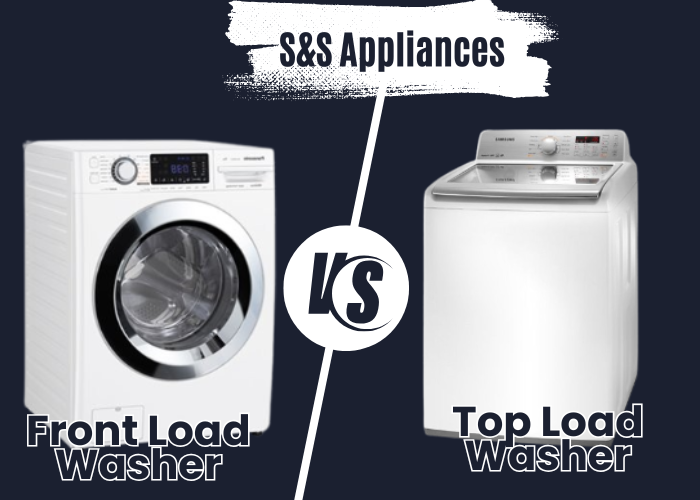
Front-Load vs Top-Load Washer Repair Issues
Common front-load washer problems include musty odors from the drum, moldy door seals, lock issues and bearing wear. Drain pump clogs are also common. Top load washer repair issues involve spinning and drain issues, leaking water from the hose and noisy vibrations. While front-loaders are more efficient and can handle larger loads, they demand constant maintenance and have complex and costly repairs. Top-load agitator models can be harsher on the laundry but are simpler and cheaper to fix.
Front-Load vs Top-Load Washer: Which is the Bigger Repair Headache?
Leaks, noises, and wash cycles are common woes of both front-load and top-load washers. However, top-load washers are easier to fix, whereas front-load washers offer gentler washes, but their complex mechanism demands costly repairs. The comparison between front-load and top-load washers is a tale of efficiency and cleaning versus budget and convenience. If you are searching for washer repair near me, we can help you understand the repair issues of both washer types.
| Did you know?Top load washers hold around 60% of the US washing machines market share but front load is growing at a CAGR of 6.93%. |
Here is your guide to understanding front-load vs top-load washer repair issues.
Common Front-Load Repair Issues
Rubber Gasket issues
One of the most common repair issues with front-loaders is with their door seal. The rubber gasket traps moisture and is difficult to clean and dry. Accumulated moisture in a closed, sealed space makes fertile ground for mold and bacterial growth.
Musty Odors from the Drum
If you do not follow a strict cleaning procedure after every wash in a front loader, the mold growth will not just create musty odors in your drum and affect the quality of the wash. Bacteria, mold spores and foul odors can transfer from the washer into your laundry.
Leaks
Mold and bacteria can deteriorate the rubber gasket over a period of time. Worn-out or dirty door seals are more prone to leaks. Cracked drain pump, blocked dispenser and bad hoses can also result in leaks.
Excessive Vibrations
If your unit is not leveled properly or your drum bearings are worn and the tub shock absorbers are broken, you may notice excessive vibrations during wash cycles. Unevenly loaded dryers also cause shaking which can damage the internal components of your washer.
Lock Issues
Loose or broken door locks can prevent your washer from working. Get your washer door lock fixed without delay.
Broken or Slipped Belt
A broken or slipped belt drive can prevent washer operations or result in slow tumbles. Replacing the belt can fix the issue.
Clogged Drain Pump
If your drain pump is not working, common repair issues may include a clogged drain pump filter, a failed drain pump, blocked drain hose, motor issues or you may have control panel issues. Contact a washer repair service to schedule an inspection.
Bearing or Suspension Issues
The bearings supporting the drum wear with constant use and fail over a period of time, resulting in loud noises and costly repairs. With excessive use, the suspension system experiences problems due to vibrations or drum misalignment, demanding complex and costly repairs and maintenance.
| Important factFront-load design cuts water use by 40% and reduces energy use by 15-20%. The Department of Energy’s 2028 thresholds favor front-loads as high-spin-speed water extraction lowers dryer time and energy. |
Common Top-Load Repair Issues
Spinning Issues
Check the lid and the drain pump. The shift actuator, motor coupler or the dive belt may also be causing the issue. Schedule a professional inspection to determine the cause.
Drain Issues
A blockage in the hose can cause drainage issues. A failing drain pump can also stop the drainage of water.
Lid issues
A lid lock issue or a loosened switch can prevent spinning, but it can be easily fixed.
Leaking Hose or Drain Pump
Holes in the drain pump or hose can cause leaks. Replace worn hose to prevent this repair issue.
Noisy Vibrations
Worn bearings, unbalanced loads, or failing transmission can cause noisy vibration,s which can further damage the internal components. Hire professional services for reliable repairs.
| Front-load vs Top-load washers | |
| Front loads last for 7-10 years, on average. | Top loads have superior longevity, 10-15 years. |
| Complex mechanical system | Straightforward design. |
| Higher purchase price, costly repairs. Regular gasket maintenance. | Reduce initial costs, affordable repairs. Minimal maintenance requirements. |
| Longer wash cycles. | Shorter wash cycles. |
| Common repair issues include mold and odor issues in the gasket and increased bearing wear. | Agitator wear on clothes. Simple, infrequent repairs. |
| Excellent energy and water efficiency. Gentler washing mechanism. | High water consumption, lower energy efficiency. |
Conclusion
Washer repair issues must be addressed without delay for better cleaning performance. Front loader repair costs are more due to the intricate parts and complex design. To ensure your washer’s longevity, regular maintenance and professional inspections are essential.
FAQs
Which has more capacity, front load or a top-load washer?
Front loads usually have lower capacity than modern, newer top-load units.
Do front-load washers require more maintenance?
Yes, front-load washers have complex mechanisms and require regular maintenance, especially of the gasket.
Do front-load washers require special detergents?
Yes, front-load washers work best with special detergents that produce fewer suds and can work with less water.